
How is men’s erectile dysfunction
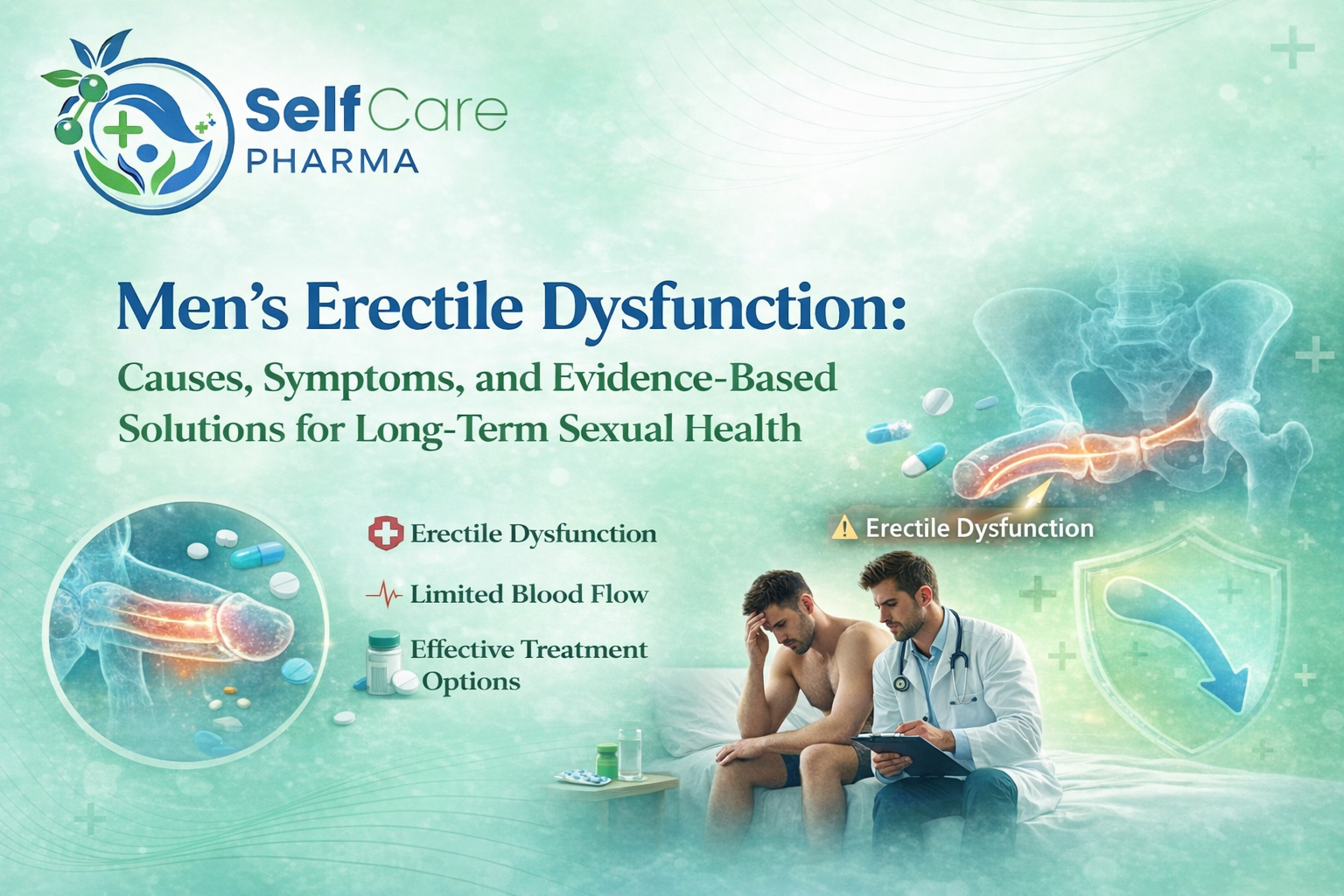
Erectile dysfunction (ED) affects millions of men worldwide, yet it remains one of the most misunderstood and under‑discussed health conditions. While occasional performance difficulties are normal, persistent erectile problems often signal underlying physical, psychological, or lifestyle‑related issues that deserve attention.
Understanding men’s erectile dysfunction is not just about sexual performance—it is about cardiovascular health, hormonal balance, mental well‑being, and overall quality of life. When addressed early and correctly, ED is often manageable and, in many cases, reversible.
This guide provides a clear, evidence‑based overview of erectile dysfunction, its causes, and practical strategies to support long‑term sexual health.
What Is men’s Erectile Dysfunction?
Erectile dysfunction refers to the consistent inability to achieve or maintain an erection firm enough for satisfactory sexual activity. It becomes a medical concern when it occurs regularly and interferes with confidence, relationships, or emotional well‑being.
ED can develop gradually or appear suddenly. In both cases, it often reflects deeper health patterns rather than isolated sexual issues.
👉 For a broader look at male sexual health, see our guide on long‑term men’s wellness and hormonal balance.
How Common Is men’s Erectile Dysfunction?
Erectile dysfunction is far more common than many men realize.
- Mild ED can appear as early as the 30s
- Moderate ED becomes more prevalent after age 40
- Severe ED increases with age and chronic health conditions
However, age alone does not cause ED. Many men maintain healthy sexual function well into later life when they address underlying risk factors.
The Physical Causes of Men’s Erectile Dysfunction
1. Poor Blood Flow and Vascular Health for men’s erectile dysfunction
An erection depends on healthy blood circulation. Conditions that restrict blood flow often contribute directly to ED, including:
- High blood pressure
- Atherosclerosis (narrowed arteries)
- Heart disease
- Diabetes
Because penile arteries are smaller than coronary arteries, ED may appear before other cardiovascular symptoms. This makes erectile dysfunction an early warning sign of vascular issues.
👉 Learn more about this connection in our article on heart health and male vitality.
2. Hormonal Imbalances can causes men’s erectile dysfunction
Testosterone plays a crucial role in libido, energy, and erectile strength. Low testosterone levels may lead to:
- Reduced sexual desire
- Weaker erections
- Fatigue and mood changes
Hormonal imbalance does not always cause ED directly, but it often contributes by lowering sexual responsiveness and confidence.
3. Nerve Damage and Neurological Conditions
Nerves transmit signals between the brain and the penis. Damage to these pathways can interfere with erections. Common causes include:
- Diabetes‑related neuropathy
- Spinal cord injuries
- Multiple sclerosis
- Pelvic surgery
When nerve signaling weakens, erectile response becomes inconsistent or absent.
4. Medication Side Effects
Certain medications list erectile dysfunction as a side effect, including:
- Blood pressure drugs
- Antidepressants
- Anti‑anxiety medications
- Hormonal treatments
Men should never stop prescribed medication without medical guidance, but discussing alternatives can often reduce sexual side effects.
Psychological Causes of Erectile Dysfunction
1. Performance Anxiety
Fear of failure creates a stress response that directly inhibits erections. Even a single negative experience can trigger ongoing anxiety, leading to a self‑reinforcing cycle.
2. Chronic Stress and Mental Fatigue
Long‑term stress elevates cortisol, which interferes with testosterone production and blood flow. Mental overload also reduces sexual focus and arousal.
👉 Stress management plays a major role in recovery—see mental load management for men.
3. Depression and Emotional Health
Depression affects desire, motivation, and neurological function. Many men with depression experience ED even before emotional symptoms become obvious.
Lifestyle Factors That Worsen men’s erectile dysfunction
Poor Diet
Diets high in processed foods, sugar, and unhealthy fats impair blood vessels and hormone regulation.
Physical Inactivity causes men’s erectile dysfunction
Regular movement improves circulation, testosterone levels, and confidence. Sedentary lifestyles increase ED risk.
Smoking and Excess Alcohol
- Smoking damages blood vessels
- Excess alcohol depresses nervous system function
Both significantly increase erectile dysfunction risk.
How Erectile Dysfunction Affects Mental Health and Relationships
ED does not only affect physical intimacy—it impacts identity, confidence, and emotional connection.
Common effects include:
- Reduced self‑esteem
- Avoidance of intimacy
- Relationship tension
- Increased anxiety or shame
Open communication and education help prevent these secondary effects from becoming long‑term issues.
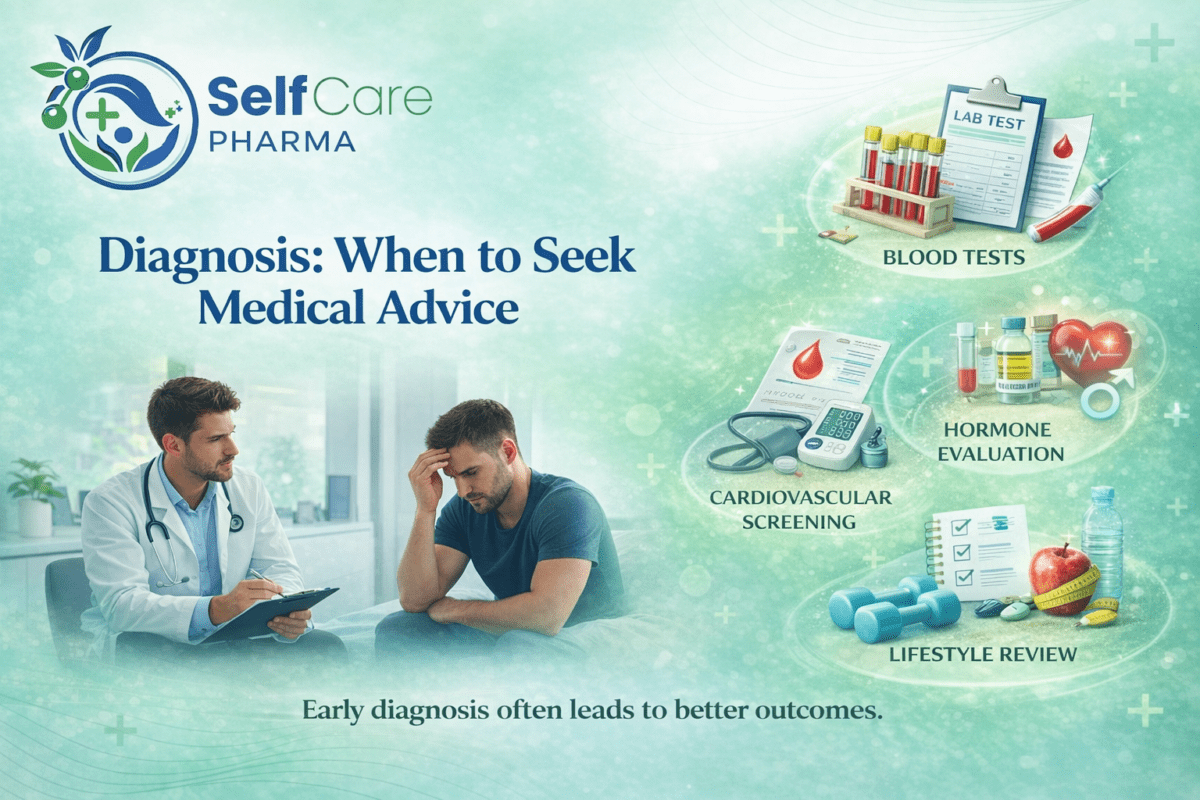
Diagnosis: When to Seek Medical Advice
Men should consider medical evaluation if ED:
- Persists longer than three months
- Appears suddenly without explanation
- Occurs alongside fatigue, weight gain, or mood changes
A medical assessment may include:
- Blood tests
- Hormone evaluation
- Cardiovascular screening
- Lifestyle review
Early diagnosis often leads to better outcomes.
Evidence‑Based Treatment Options for Men’s Erectile Dysfunction
1. Lifestyle Optimization for fast recovery from men’s erectile dysfunction
Improving daily habits often produces significant improvement:
- Regular physical activity
- Balanced nutrition
- Adequate sleep
- Stress reduction
👉 Our guide on habit architecture for men’s health explains how to build sustainable routines.
2. Psychological Support for men’s erectile dysfunction
Counseling or cognitive behavioral therapy (CBT) can be highly effective for anxiety‑related ED. Addressing mental barriers restores confidence and physiological response.
3. Medical Treatments for men’s erectile dysfunction
Physicians may recommend:
- Oral medications
- Hormone therapy (if clinically indicated)
- Vascular or neurological interventions
Treatment choice depends on the underlying cause rather than symptoms alone.
The Role of Long‑Term Health in Sexual Performance
Erectile function reflects overall health. Men who prioritize:
- Cardiovascular fitness
- Hormonal balance
- Mental clarity
- Emotional regulation
tend to experience stronger, more consistent sexual performance over time.
👉 Explore this connection further in long‑term men’s performance and resilience.
Preventing Erectile Dysfunction Before It Starts
Prevention focuses on protecting the systems that support erections:
- Maintain healthy blood pressure
- Manage blood sugar
- Stay physically active
- Reduce chronic stress
- Avoid smoking
Small daily habits compound into long‑term protection.
Common Myths About Erectile Dysfunction
Myth: ED is only a problem for older men
Fact: ED can affect men of all ages
Myth: ED means loss of masculinity
Fact: ED is a health condition, not a character flaw
Myth: ED always requires medication
Fact: Many cases improve with lifestyle and mental health support
Why Early Action Matters to cure men’s erectile dysfunction
Ignoring erectile dysfunction allows underlying issues to progress. Addressing ED early can:
- Improve cardiovascular health
- Restore confidence
- Strengthen relationships
- Prevent long‑term complications
Sexual health is not separate from overall health—it is a reflection of it.
Final Thoughts for men’s erectile dysfunction
Men’s erectile dysfunction is common, manageable, and often reversible when addressed correctly. It is not a personal failure, but a signal that the body or mind needs support.
By understanding the causes, improving lifestyle habits, and seeking appropriate guidance, men can restore not only sexual function but long‑term confidence, vitality, and well‑being.
Taking action today builds a healthier, stronger tomorrow—both in and beyond the bedroom.