
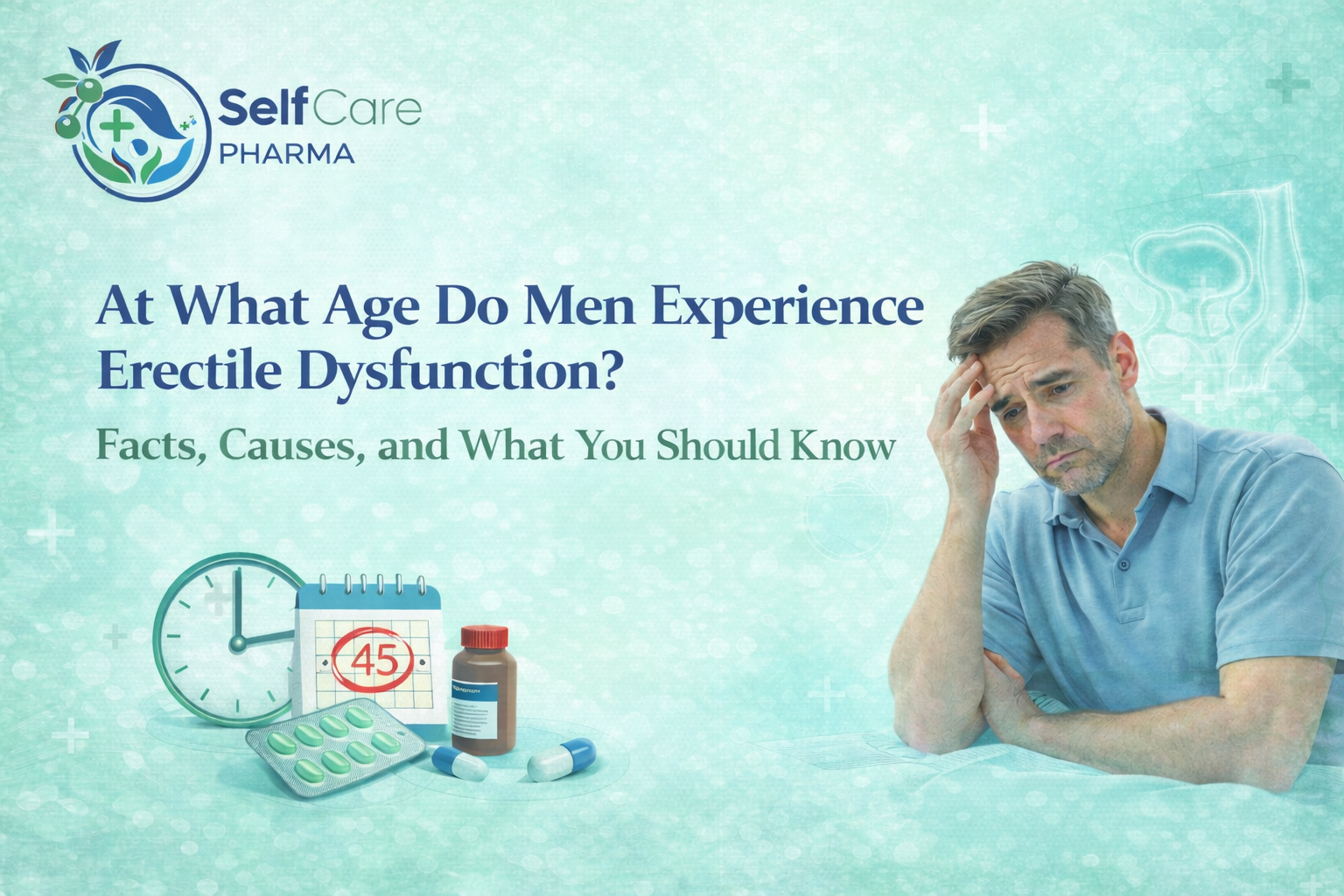
At What Age Do Men Experience Erectile Dysfunction? Facts, Causes
Erectile dysfunction (ED) is one of the most common yet misunderstood health concerns affecting men. Many people assume it only happens in old age, but the reality is more complex. ED can affect men at different stages of life, and while age increases the risk, it is not the only factor involved.
In this detailed guide, we’ll explore:
- The age at which ED commonly begins
- How common is it in different age groups
- The real medical causes behind it
- The difference between erection and ejaculation problems
- Risk factors younger men should know
- When to seek medical help
- Treatment and prevention options
Let’s break down the facts clearly and honestly.
What Is Erectile Dysfunction?
Erectile dysfunction is the consistent inability to get or maintain an erection firm enough for sexual activity. It is normal for men to occasionally have difficulty due to stress, fatigue, or anxiety. However, when the problem becomes frequent or ongoing for several months, it may be classified as ED.
ED is not simply a sexual issue. In many cases, it is connected to blood circulation, nerve health, hormones, or emotional well-being.
At What Age Does ED Start?
There is no single age when ED begins. It can occur in adulthood at any stage, but statistics show it becomes more common with age.
ED by Age Group
- Ages 20–29: Around 8–10% experience some form of ED
- Ages 30–39: 10–15%
- Ages 40–49: Approximately 20–30%
- Ages 50–59: 30–40%
- Age 60 and above: 40–70%
By age 40, many men report at least mild erectile difficulty. However, mild ED does not mean complete inability to have sex. It may mean erections are less firm, take longer to achieve, or don’t last as long as before.
The key takeaway is that ED increases gradually, not suddenly.
Why Does Age Increase the Risk?
Aging affects several systems in the body that are essential for erections:
1. Reduced Blood Flow
Erections depend heavily on healthy blood vessels. As men age, arteries may narrow due to plaque buildup, reducing blood flow to the penis.
2. Lower Testosterone Levels
Testosterone naturally declines about 1% per year after age 30. While low testosterone alone doesn’t always cause ED, it can reduce sexual desire and contribute to erection problems.
3. Chronic Health Conditions
Older men are more likely to develop:
- Diabetes
- High blood pressure
- Heart disease
- Obesity
All of these significantly increase ED risk.
4. Medication Side Effects
Certain medications for blood pressure, depression, or prostate issues can affect sexual function.
Can Young Men Have ED?
Yes. ED is not just a “senior” problem.
In younger men (20s and 30s), ED is often linked to:
- Stress or performance anxiety
- Depression
- Relationship issues
- Porn-induced arousal problems
- Lack of sleep
- Smoking or substance use
In many young men, the cause is psychological rather than physical. However, persistent ED at a young age should not be ignored because it can sometimes signal early cardiovascular issues.
ED vs. Ejaculation Problems: What’s the Difference?
Some men confuse erection problems with ejaculation issues.
- Erectile dysfunction: Difficulty getting or keeping an erection
- Premature ejaculation: Ejaculating too quickly
- Delayed ejaculation: Difficulty ejaculating
- Retrograde ejaculation: Semen flows backward into the bladder
These are different medical concerns and may have different causes and treatments.
Is ED a Warning Sign of Heart Disease?
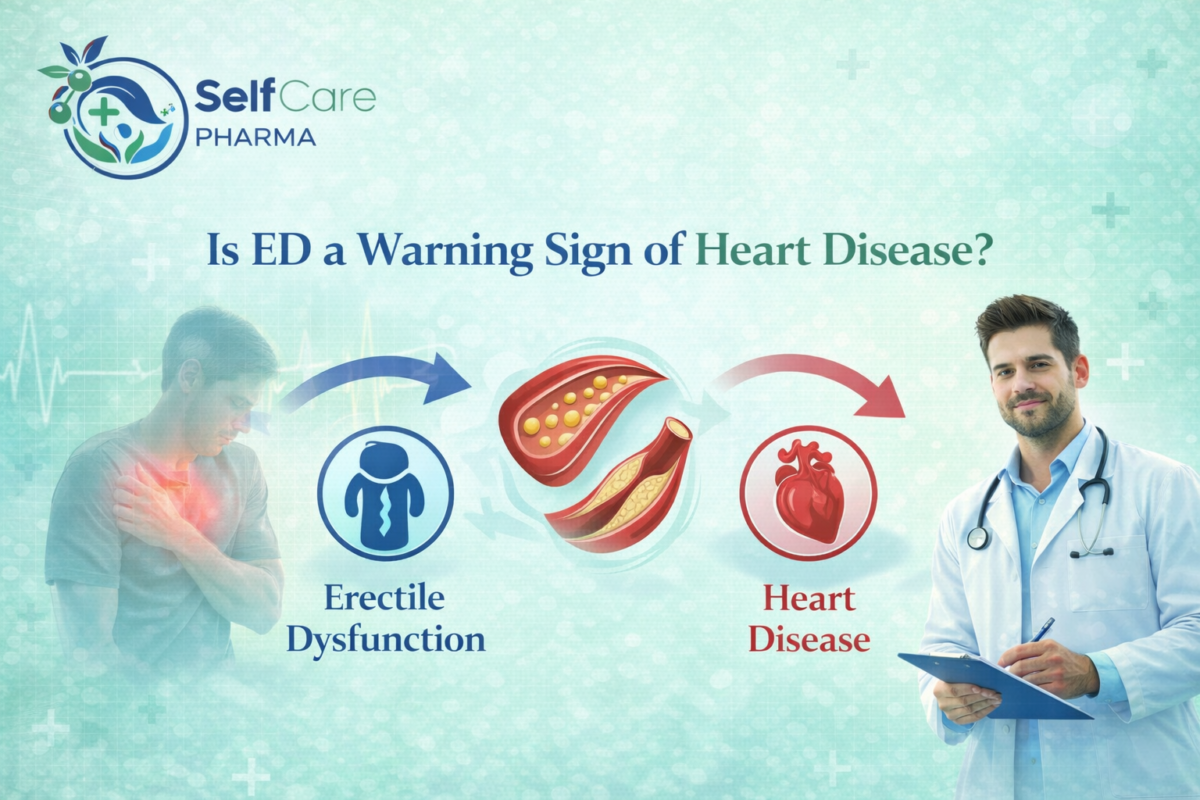
Yes, it can be.
The arteries in the penis are smaller than those in the heart. If plaque buildup begins, ED may appear before chest pain or other heart symptoms. For many men over 40, ED is sometimes the first noticeable sign of cardiovascular problems.
This is why doctors often recommend heart health screening when ED develops without a clear cause.
When Is ED Considered Serious?
Occasional erection difficulty is normal.
However, you should consult a healthcare provider if:
- ED lasts more than 3 months
- It happens more than 25% of the time
- Erections are significantly weaker than before
- There is pain or curvature
- Sexual desire has decreased
- You have diabetes, high blood pressure, or heart disease
Early evaluation helps identify underlying health conditions.
How Is ED Diagnosed?
A doctor may:
- Ask about medical history
- Review medications
- Check blood pressure
- Test blood sugar levels
- Measure testosterone
- Evaluate mental health factors
In some cases, ultrasound or other tests may be used to assess blood flow.
Treatment Options
The good news is that ED is highly treatable in most men.
1. Lifestyle Changes
For many men, improving lifestyle can significantly help:
- Regular exercise
- Healthy diet
- Weight management
- Quitting smoking
- Limiting alcohol
- Better sleep
Improved cardiovascular health often improves erections.
2. Oral Medications
Common prescription medications improve blood flow to the penis. These are widely used and effective for many men. They should only be taken under medical supervision.
3. Psychological Counseling
If stress, anxiety, or depression is involved, therapy can be very effective.
4. Hormone Therapy
If low testosterone is confirmed, hormone replacement may be considered.
5. Medical Devices and Advanced Treatments
In more severe cases, doctors may suggest vacuum devices, injections, or surgical implants.
Can ED Be Prevented?
While aging cannot be stopped, many risk factors can be controlled.
Preventive Steps:
- Maintain a healthy weight
- Exercise at least 150 minutes per week
- Control blood sugar
- Monitor blood pressure
- Reduce stress
- Avoid smoking
Men who maintain strong cardiovascular health often maintain better erectile function.
The Emotional Impact of ED
ED can affect confidence, relationships, and mental health. Many men feel embarrassed or ashamed, but ED is a medical condition, not a personal failure.
Open communication with a partner and healthcare provider is crucial. Early treatment often prevents worsening anxiety and relationship strain.
Common Myths About ED
Myth 1: Only old men get ED
Reality: It can occur at any adult age.
Myth 2: ED means loss of masculinity
Reality: It’s a health issue, not a reflection of identity.
Myth 3: It always means low testosterone
Reality: Most ED cases are related to blood flow or psychological factors.
Myth 4: Nothing can be done
Reality: Most cases are treatable.
Final Thoughts
There is no specific age when men “stop” being able to get erections. Many healthy men in their 60s and even 70s maintain active sex lives. At the same time, younger men may experience temporary or persistent ED due to stress or health issues.
The key facts are:
- ED becomes more common with age
- It can occur at any adult stage
- Lifestyle and heart health play major roles
- It is often treatable
- It should not be ignored if persistent
If you or someone is experiencing ongoing erectile issues, seeking medical advice is a smart and responsible step. ED is not just about sexual performance — it can be an important signal about overall health.
Taking care of the body today supports sexual health tomorrow.
Frequently Asked Questions (FAQ) About Age and Erectile Dysfunction
1. At what age is erectile dysfunction most common?
Erectile dysfunction becomes more common after age 40, and the risk increases steadily with age. However, it can occur at any adult age depending on health, lifestyle, and psychological factors.
2. Is it normal to occasionally lose an erection?
Yes. Occasional difficulty getting or maintaining an erection is normal. Stress, fatigue, alcohol, or anxiety can temporarily affect performance. It is only considered ED if the issue happens frequently and persists for several months.
3. Can men in their 20s have ED?
Yes. Younger men can experience ED, often due to psychological causes such as stress, performance anxiety, depression, or excessive pornography use. In some cases, it may also signal underlying health problems.
4. Does ED mean a man is infertile?
No. Erectile dysfunction affects the ability to maintain an erection, not sperm production. However, if ejaculation does not occur due to erection problems, conception can become difficult.
5. Is ED a sign of heart disease?
It can be. Because erections depend on healthy blood flow, ED may sometimes be an early warning sign of cardiovascular disease. Men experiencing persistent ED should consider checking their heart health.
6. Does testosterone decline automatically cause ED?
Not always. While testosterone levels gradually decrease with age, most cases of ED are related to blood flow issues rather than hormone deficiency. Low testosterone may reduce sexual desire more than erection strength.
7. Can lifestyle changes really improve ED?
Yes. Regular exercise, weight loss, quitting smoking, reducing alcohol, and managing stress can significantly improve erectile function, especially when the cause is related to circulation or metabolic health.
8. Are ED medications safe?
Prescription ED medications are generally safe when taken under medical supervision. They should not be used without consulting a healthcare provider, especially for men with heart conditions or those taking certain medications.
9. When should someone see a doctor for ED?
You should consult a healthcare professional if:
- ED lasts longer than 3 months
- It happens frequently
- Erections are much weaker than before
- There is pain or noticeable changes
- You have diabetes, high blood pressure, or heart disease
Early evaluation helps identify underlying causes.
10. Can ED be completely cured?
It depends on the cause. In many cases, ED can be significantly improved or reversed with lifestyle changes, medication, or treatment of underlying health conditions. Even when not fully curable, it is usually manageable.