

Male vitality isn’t something most men think about until it starts slipping.
It doesn’t vanish overnight.
It fades quietly.
Energy dips.
Confidence softens.
Performance becomes inconsistent.
And instead of seeing it as a system issue, men often internalize it as personal failure.
But male vitality isn’t about willpower or masculinity.
It’s about biology colliding with modern life.
What “Male Vitality” Actually Means
Male vitality isn’t just sexual performance.
It’s the intersection of:
- Energy
- Circulation
- Hormonal balance
- Mental clarity
- Stress resilience
- Physical confidence
When these systems work together, performance feels natural — not forced.
When they don’t, men feel “off” long before anything is clinically wrong.
Why Modern Men Struggle More Than Previous Generations
Men today face a unique mismatch:
High mental stress + low physical output.
Past generations dealt with:
- Physical labor
- Sunlight exposure
- Fewer food choices
- Clear daily structure
Modern men deal with:
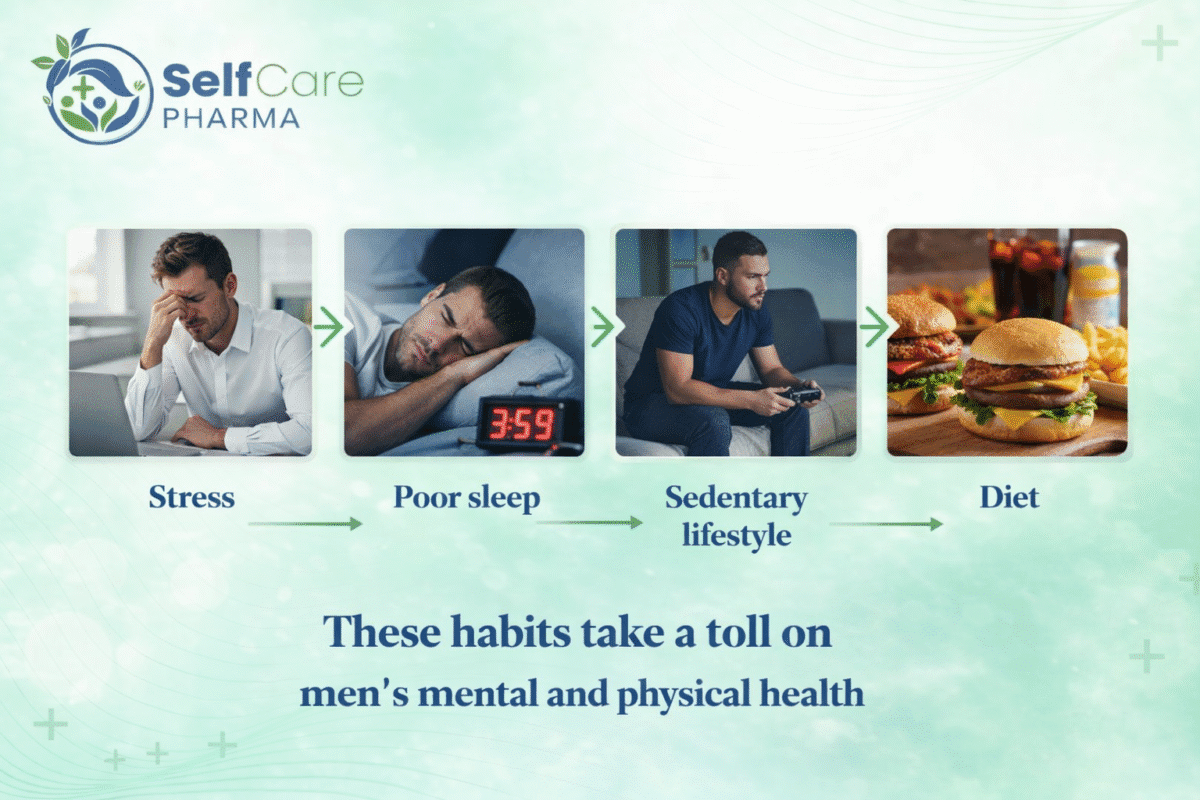
- Chronic stress
- Sedentary routines
- Ultra‑processed diets
- Constant stimulation
- Poor recovery
The male body hasn’t adapted to this shift.
The Role of Blood Flow in Male Vitality
Healthy male performance depends heavily on circulation.
Blood flow supports:
- Physical arousal
- Muscular response
- Endurance
- Sensitivity
Modern lifestyle habits that reduce circulation include:
- Sitting most of the day
- Lack of movement
- Poor cardiovascular conditioning
- Diets high in refined carbs and seed oils
- Chronic stress (which constricts blood vessels)
Poor circulation doesn’t announce itself loudly — it shows up as inconsistency.
Stress: The Silent Performance Killer
Stress doesn’t just affect the mind.
It directly impacts:
- Blood flow
- Hormonal signaling
- Nervous system balance
When stress is constant:
- The body prioritizes survival, not performance
- Blood is diverted away from non‑essential functions
- Libido and responsiveness drop
This isn’t psychological weakness — it’s biology.
Cortisol vs. Testosterone: A Delicate Balance
Chronic stress elevates cortisol.
Elevated cortisol:
- Suppresses testosterone signaling
- Increases fatigue
- Reduces desire
- Impairs recovery
This doesn’t mean testosterone disappears — it means the body can’t use it efficiently.
Men often misinterpret this as a sign of aging when it’s actually a result of stress dominance.
Diet’s Hidden Impact on Male Performance
Many men eat “enough” — but not optimally.
Modern diets often lack:
- Key minerals
- Nitric‑oxide‑supporting nutrients
- Anti‑inflammatory compounds
Common issues:
- Too much sugar
- Too little micronutrient density
- Irregular meal timing
- Inadequate hydration
Food quality affects circulation, hormone signaling, and energy availability.
Nutrients Commonly Overlooked by Men
Without naming any product, research consistently highlights the importance of:
- Zinc (hormonal signaling)
- Magnesium (nervous system regulation)
- Amino acids (circulation support)
- Plant compounds that support nitric oxide production
- Antioxidants that reduce oxidative stress
Whole foods should always come first — but modern diets don’t always deliver consistently.
Why “Healthy Living” Isn’t Always Enough
Many men do “the basics”:
- Decent diet
- Some exercise
- Adequate sleep (on paper)
Yet still feel off.
Why?
Because modern stress levels and environmental factors increase baseline nutritional demand.
What worked 30 years ago doesn’t always work now.
The Nervous System’s Role in Performance
Male performance requires:
- Relaxation and readiness
- Mental presence
- Parasympathetic activation
Overstimulated nervous systems struggle to shift into performance mode.
Constant:
- Screen exposure
- Work pressure
- Sleep disruption
Keeps the body in a low‑grade fight‑or‑flight state.
Psychological Pressure Makes Things Worse
Performance anxiety often comes after physical inconsistency — not before.
One-off experience creates:
- Overthinking
- Anticipation stress
- Self‑monitoring
This tightens the nervous system further, compounding the issue.
The solution isn’t “trying harder” — it’s restoring balance.
Movement Is Non‑Negotiable for Male Health
Regular movement:
- Improves circulation
- Reduces stress hormones
- Enhances confidence
- Improves sleep quality
Men don’t need extreme workouts — they need consistent physical demand.
Walking, resistance training, and short bursts of intensity matter more than perfection.
Sleep: The Most Underrated Factor
Poor sleep:
- Disrupts hormone rhythms
- Increases cortisol
- Reduces recovery
- Worsens mental resilience
Many men sleep enough hours, but with:
- Poor depth
- Late screen exposure
- Inconsistent schedules
Vitality depends on quality, not just quantity.
Alcohol and Male Performance
Moderate alcohol may seem harmless.
Chronic or frequent use:
- Impairs circulation
- Affects hormone metabolism
- Reduces sleep quality
- Dampens nervous system responsiveness
Even “social drinking” adds up faster than most men realize.
The Reality of Aging vs. Lifestyle Decline
Age changes the body — but lifestyle accelerates decline.
Men who maintain:
- Strength
- Mobility
- Cardiovascular health
- Nutritional consistency
Often report strong vitality well into later decades.
Decline is not inevitable — neglect is.
Where Supplements Fit (Without Hype)
Supplements are not replacements for:
- Diet
- Sleep
- Movement
- Stress management
However, targeted supplementation can support men who:
- Struggle to meet nutrient needs consistently
- Live high‑stress lifestyles
- Want additional nutritional support for circulation and performance
This is where ED‑focused supplements are often positioned — as support, not treatment.
How ED Supplements Are Typically Used (Educational)
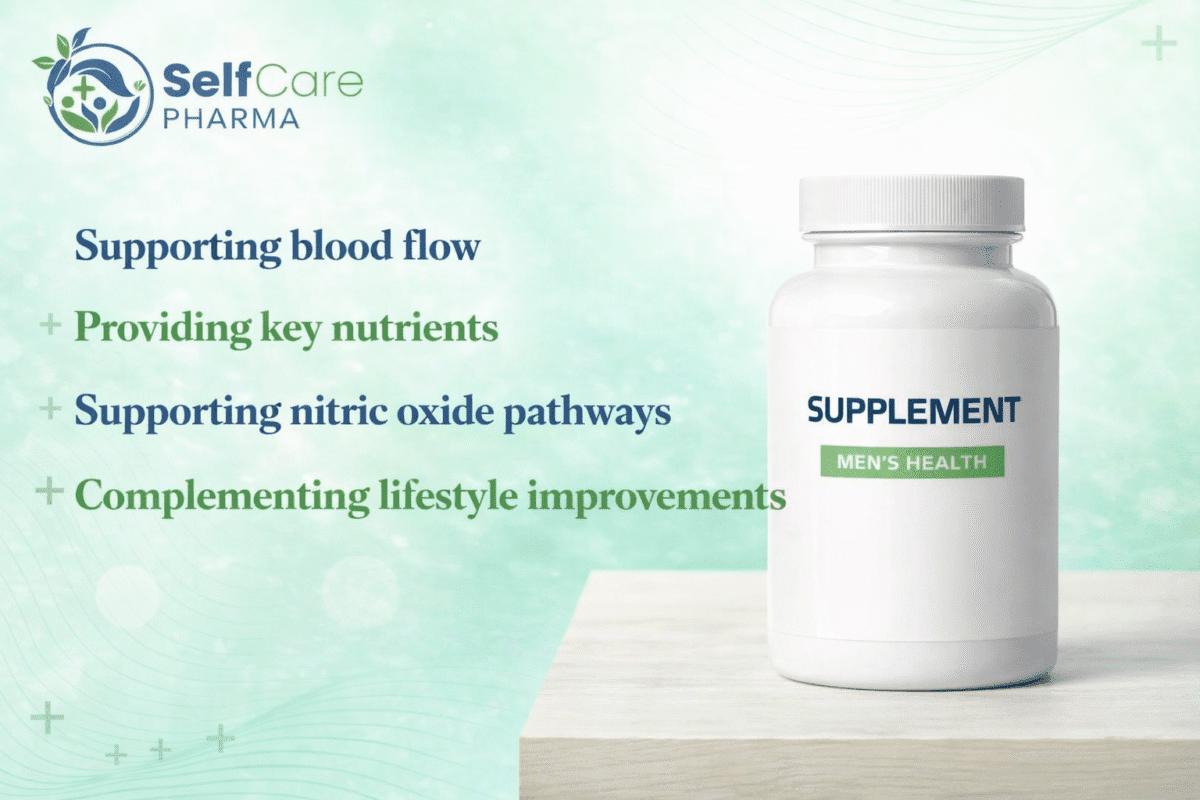
Responsible ED supplements generally focus on:
- Supporting blood flow
- Providing key nutrients
- Supporting nitric oxide pathways
- Complementing lifestyle improvements
They are not medications
They do not claim to treat disease
They work best when paired with healthy habits
Used correctly, they function as part of a broader wellness approach.
Why Lifestyle Always Comes First
No supplement compensates for:
- Poor sleep
- Chronic stress
- Sedentary behavior
- Poor diet
Men who see the best results focus on:
- Movement
- Stress reduction
- Nutrition
- Recovery
- Then support tools
Order matters.
Rebuilding Male Vitality: A Practical Framework
1. Reduce Daily Stress Load
- Short walks
- Breathing breaks
- Clear work boundaries
2. Improve Circulation Naturally
- Resistance training
- Light cardio
- Reduced sitting time
3. Optimize Nutrition
- Protein‑rich meals
- Mineral‑dense foods
- Consistent hydration
4. Support Recovery
- Earlier sleep
- Reduced evening screens
- Consistent routines
5. Add Targeted Support if Needed
- Only after lifestyle is addressed
- As support, not a shortcut
Why Consistency Beats Intensity
Men often try extreme fixes.
Vitality responds better to:
- Small daily habits
- Repeated inputs
- Long‑term consistency
Biology rewards patience.
Mental Confidence Returns With Physical Stability
When the body stabilizes:
- Confidence improves naturally
- Anxiety decreases
- Performance pressure fades
Men stop thinking about performance — which is usually when it improves.
The Bigger Picture of Male Health
Sexual health is a signal, not a standalone issue.
It reflects:
- Cardiovascular health
- Stress management
- Lifestyle alignment
Improving it often improves everything else, too.
Final Thoughts
Modern male vitality is under pressure — not because men are broken, but because modern life is misaligned with male biology.
The solution isn’t shame.
It isn’t panic.
It isn’t chasing quick fixes.
It’s:
- Understanding the system
- Reducing stress
- Supporting circulation
- Fueling the body properly
- Using supportive tools wisely
When those align, vitality stops feeling fragile — and starts feeling normal again.